



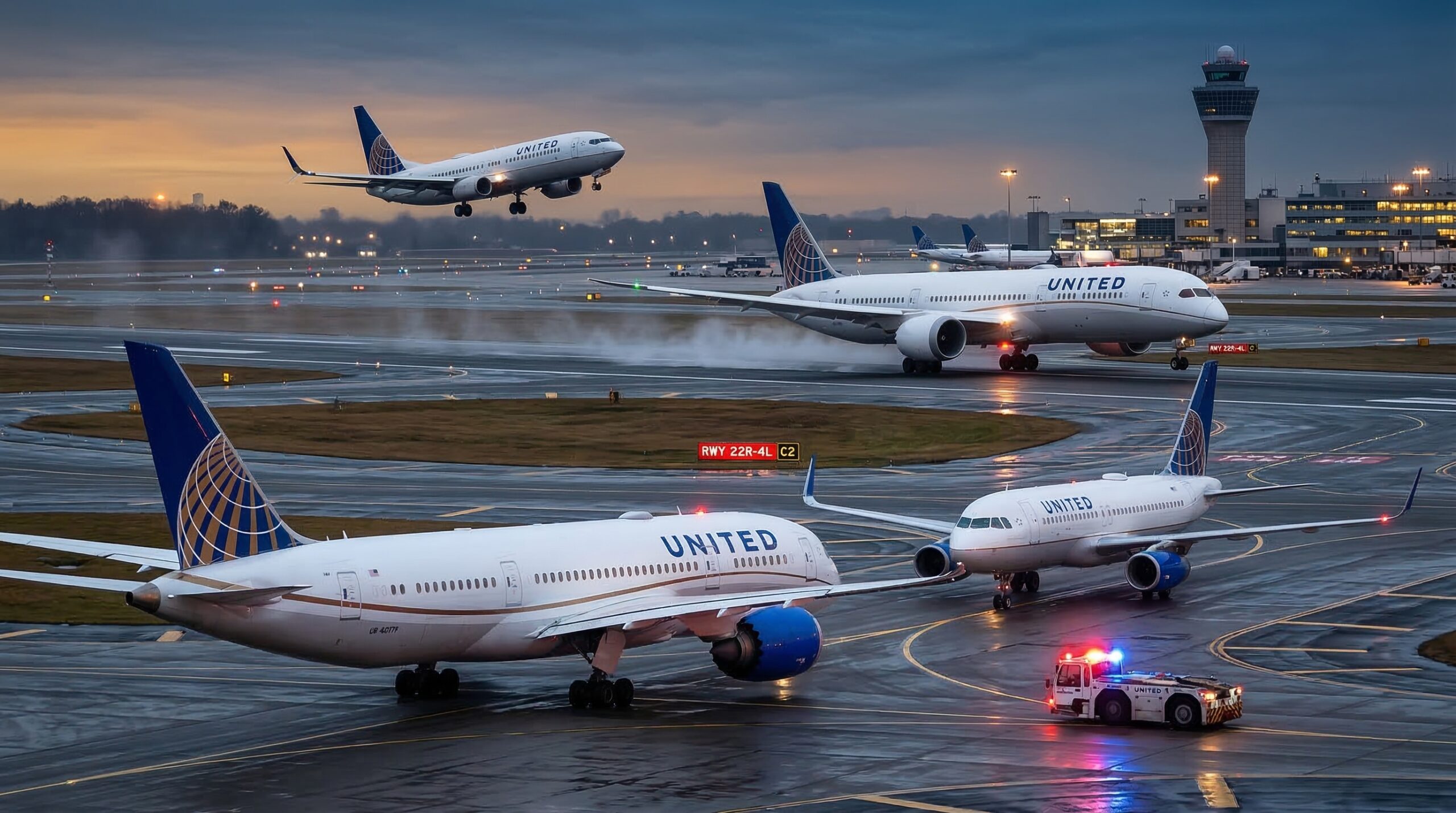
Few things unsettle passengers more than an unexpected change in flight path. When United Airlines Flight UA770 was forced into an emergency diversion, it sent shockwaves through the aviation community and left passengers with a story they won’t soon forget.
Emergency diversions are rare, but they do happen. When they do, every second counts—and the decisions made by the flight crew can mean the difference between a safe landing and a catastrophic outcome. This article breaks down everything we know about the United Airlines Flight UA770 emergency diversion: what happened, why it happened, and what it tells us about aviation safety protocols.
Whether you’re a frequent flyer or someone who has always been curious about what goes on behind the cockpit door, this guide covers it all.
Background: United Airlines Flight UA770
United Airlines is one of the world’s largest commercial carriers, operating thousands of flights each day across its global network. Flight UA770 was a scheduled commercial service operating as part of United’s regular route schedule.
Like any commercial flight, UA770 carried a full crew of trained aviation professionals, including pilots, co-pilots, and cabin crew, all certified to respond to in-flight emergencies.
What Happened During Flight UA770?
The United Airlines Flight UA770 emergency diversion occurred when the flight crew identified a situation on board that required an immediate, unscheduled landing. Rather than continuing to the original destination, the pilots made the decision to divert to the nearest suitable airport.
Details surrounding the exact nature of the incident are still being reviewed by aviation authorities. However, what is clear is that the crew acted swiftly and professionally, prioritizing the safety of everyone on board.
Key facts about the diversion:
- The crew declared an emergency and communicated with air traffic control
- The aircraft was redirected to the nearest airport equipped to handle the situation
- Passengers were kept informed throughout the process
- Emergency services were placed on standby at the diversion airport
Possible Reasons for the Emergency Diversion
Emergency diversions don’t happen without cause. Several factors can prompt a flight crew to alter course mid-flight. In the case of the United Airlines Flight UA770 emergency diversion, investigators are examining a range of potential triggers.
Mechanical or Technical Issues
One of the most common reasons for an in-flight diversion is a mechanical malfunction. This can range from engine trouble to issues with landing gear, hydraulics, or on-board systems. Even when a fault poses no immediate danger, pilots are trained to treat it seriously and land as soon as it’s safe to do so.
Medical Emergencies
Passenger or crew medical emergencies are another leading cause of diversions. If a passenger suffers a cardiac event, stroke, or other serious health episode, the captain may decide that landing immediately is the safest course of action—especially on long-haul routes where medical care is hours away.
Security Concerns
Unruly passengers, suspected security threats, or other cabin disturbances can also prompt a diversion. In these cases, the safety of all passengers and crew takes precedence over schedule.
Weather-Related Issues
Severe turbulence, lightning strikes, or rapidly deteriorating weather conditions at the destination airport can force a diversion to an alternate landing site.
How Airline Crews Handle Emergency Situations
The response to an in-flight emergency is anything but improvised. Flight crews train for these scenarios repeatedly throughout their careers.
Cockpit Procedures
When an emergency is identified, the pilots follow a structured checklist specific to the issue at hand. They communicate with air traffic control, declare an emergency if necessary, and begin coordinating an immediate landing.
Air traffic control then clears the airspace, giving the aircraft priority routing and a direct path to the nearest suitable runway.
Cabin Crew Responsibilities
While the pilots manage the aircraft, cabin crew are responsible for:
- Keeping passengers calm and informed
- Preparing the cabin for an emergency or precautionary landing
- Administering first aid if a medical situation is involved
- Ensuring seatbelts are fastened and tray tables are stowed
- Coordinating with ground emergency services upon landing
The goal is always the same: get everyone on the ground safely, with minimal panic.
Passenger Reactions and Experiences
For those on board the United Airlines Flight UA770 emergency diversion, the experience was understandably unsettling. Passengers reported a mix of confusion, concern, and, ultimately, relief once the aircraft landed safely.
Social media posts from passengers described the mood on board as tense but calm, largely due to the composure of the cabin crew. Many noted that the crew’s clear communication helped ease their anxiety during the diversion.
It’s worth noting that passengers’ reactions to in-flight emergencies are often shaped by how well the crew communicates. Silence breeds panic; information breeds calm.
Official Response from United Airlines
United Airlines issued a statement confirming that Flight UA770 had been diverted as a precautionary measure and that the safety of passengers and crew was the airline’s top priority. The airline indicated that affected passengers were accommodated and rebooked on the next available flights to their original destination.
United also confirmed that the aircraft was being inspected in accordance with standard post-diversion protocols, and that relevant aviation authorities had been notified.
Airlines are required to report emergency diversions to regulatory bodies such as the Federal Aviation Administration (FAA) in the United States. These reports form part of a broader safety review process designed to prevent future incidents.
Aviation Safety Procedures: Why Diversions Occur
It’s easy to view an emergency diversion as a sign that something went wrong. In reality, it’s often a sign that everything went right.
Aviation safety is built on a principle of extreme caution. Pilots are trained to err on the side of safety, even when doing so causes significant disruption. The decision to divert is never taken lightly—but it is made quickly when the situation demands it.
The “Precautionary Landing” Principle
Not all diversions involve an active emergency. Many are classified as precautionary landings, where a potential issue is identified early and the crew decides to land before the situation escalates. This proactive approach is a cornerstone of modern aviation safety.
Redundant Systems and Fail-Safes
Commercial aircraft are equipped with multiple redundant systems precisely because single points of failure can have catastrophic consequences. When one system flags an issue, others are there to compensate—giving crews the time and information they need to make informed decisions.
Post-Diversion Inspections
Once an aircraft lands following a diversion, it undergoes a thorough inspection before being returned to service. Engineers assess the reported issue, run diagnostics, and clear the aircraft only when they are satisfied it meets airworthiness standards.
FAQ: Flight Diversions Explained
What is a flight diversion?
A flight diversion occurs when an aircraft is redirected to an airport other than its intended destination. This can happen due to mechanical issues, medical emergencies, weather conditions, security concerns, or other in-flight incidents that require an unplanned landing.
How common are emergency flight diversions?
Emergency diversions are relatively rare given the volume of flights operating globally each day. The vast majority of commercial flights land at their intended destination without incident. When diversions do occur, they are typically handled swiftly and without harm to passengers or crew.
What happens to passengers after an emergency diversion?
Airlines are obligated to assist affected passengers following a diversion. This typically includes accommodation if an overnight stay is required, meal vouchers, and rebooking on the next available flight to the original destination. Passengers may also be entitled to compensation depending on the circumstances and the airline’s policies.
Are emergency diversions a sign that flying is unsafe?
Quite the opposite. Emergency diversions are a product of aviation’s deeply ingrained safety culture. The fact that crews are empowered—and expected—to divert when they identify a risk is a testament to how seriously the industry takes passenger safety. Commercial aviation remains one of the safest forms of transportation in the world.
The Bigger Picture: Safety Above All Else
The United Airlines Flight UA770 emergency diversion is a reminder of something that experienced aviation professionals already know: safety is never negotiable. The protocols that guided the crew’s response that day weren’t improvised—they were the product of decades of accumulated knowledge, rigorous training, and a relentless commitment to getting every passenger home safely.
For travelers, incidents like these can be alarming on the surface. But looking deeper, they reveal an industry that takes every potential risk seriously, acts decisively, and puts the wellbeing of passengers above all else. That’s not a cause for alarm—it’s a reason for confidence.
