


Few corners of the internet have sparked as much controversy as AnonIB. For years, it operated in the shadows of mainstream social media—an anonymous imageboard that attracted millions of visitors while simultaneously drawing the attention of law enforcement agencies worldwide.
This post breaks down what AnonIB was, how it grew, why it became a flashpoint for legal and ethical debate, and what its story teaches us about online privacy in the digital age. Whether you’ve heard the name in passing or want a fuller picture of what happened, here’s everything you need to know.
What Was AnonIB?
AnonIB—short for Anonymous Image Board—was a website that allowed users to post images and comments completely anonymously. Structured similarly to other imageboards like 4chan, it was divided into boards organized by topic or region.
Unlike platforms that required account creation or identity verification, AnonIB stripped away virtually every layer of accountability. Users could upload content, leave comments, and interact with others without leaving a traceable digital footprint. That anonymity was, by design, the platform’s defining feature.
How It Worked
The site’s layout was simple and functional. Boards were organized by geography, topic, or category, and users could start or join threads by posting images and text. Content was largely user-generated and moderated minimally, if at all. This hands-off approach created an environment where virtually anything could be posted with few immediate consequences.
The History and Rise of AnonIB
AnonIB first appeared in the mid-2000s, emerging alongside a broader wave of anonymous internet culture that was gaining momentum at the time. Imageboards had already carved out a niche online, and AnonIB tapped into the same appetite for unfiltered, anonymous expression.
Traffic grew steadily through the late 2000s and accelerated in the 2010s. Part of its growth was driven by users seeking spaces outside the reach of content moderation policies that were tightening on mainstream platforms. As Facebook, Reddit, and Twitter cracked down on explicit or offensive content, fringe imageboards like AnonIB saw an influx of users looking for fewer restrictions.
What Made It Popular
The platform’s anonymity was its primary draw. Users didn’t need to register, verify their identity, or link the site to any personal account. For communities that valued privacy above all else, this was a significant selling point.
However, this same feature made it extremely difficult to hold users accountable for what they posted—a problem that would define the platform’s legacy.
Why AnonIB Became Controversial
AnonIB’s most serious controversy centered on non-consensual intimate imagery (NCII), commonly referred to as “revenge porn.” The platform became widely known as a place where explicit images of real people—predominantly women—were shared without the subject’s knowledge or consent.
Boards were often organized by location, school, or workplace, allowing users to target specific individuals. Victims frequently had no idea their images had been posted until they were alerted by someone who had seen them. The psychological harm caused by this type of exposure is well-documented, with many victims reporting severe anxiety, depression, and lasting damage to their personal and professional lives.
The Scale of the Problem
The issue wasn’t isolated to a handful of posts. Reports from journalists, researchers, and advocacy organizations described a systematic culture of image sharing that operated openly on the platform for years. Despite repeated complaints from victims and legal notices, content removal was slow and inconsistent.
This made AnonIB a focal point in broader conversations about platform accountability—specifically, the question of whether websites can be held liable for content their users post.
Legal Issues and the Shutdown
The legal pressure on AnonIB intensified over time as law enforcement agencies in multiple countries launched investigations into the platform and its users.
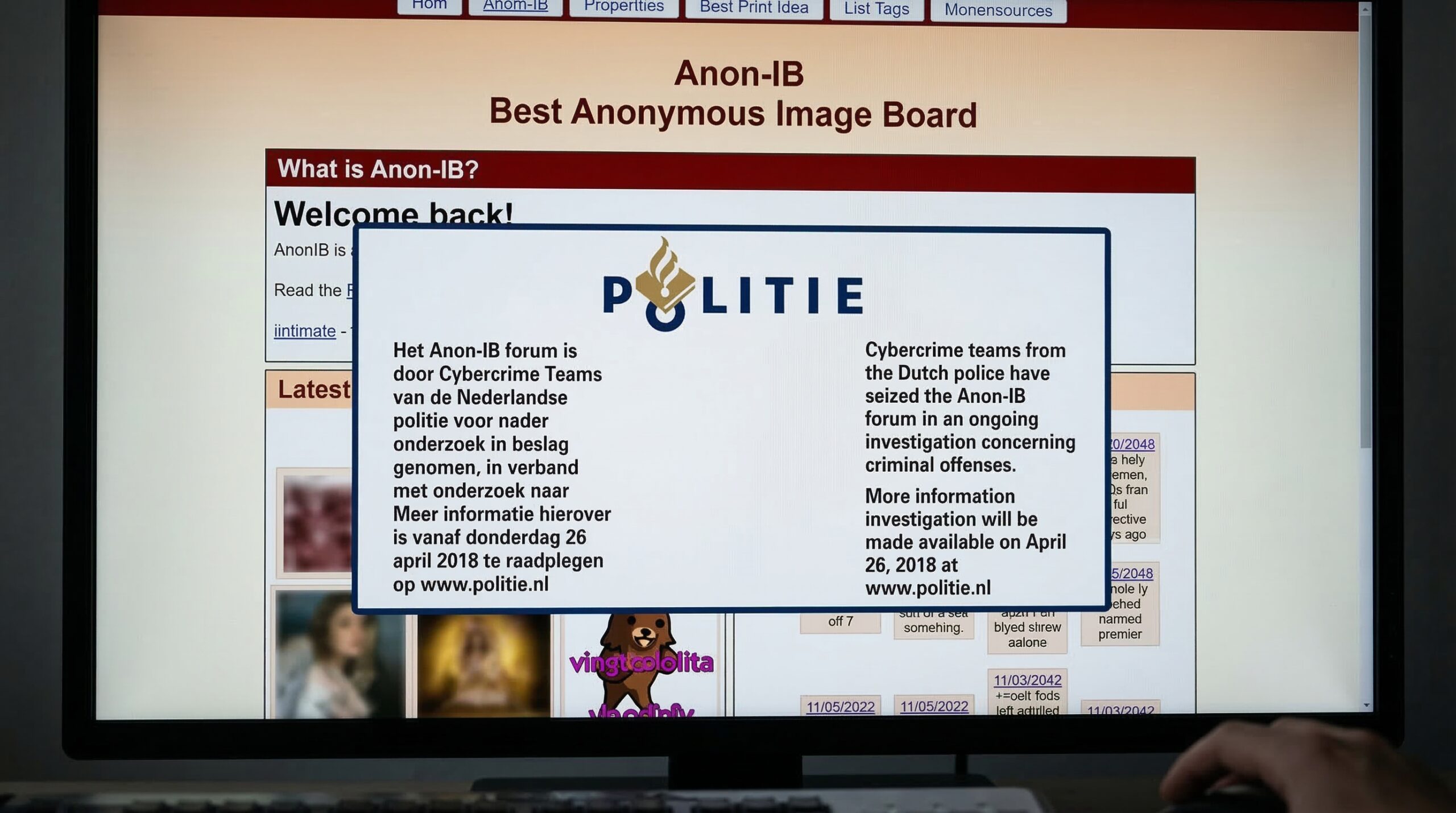
In 2018, a coordinated international effort led to significant action against the site. Dutch authorities, working alongside the FBI and other law enforcement agencies, arrested individuals connected to AnonIB’s operation. The site was seized and taken offline.
Key Legal Concerns
Several legal issues contributed to AnonIB’s downfall:
- Non-consensual pornography laws: Many countries and U.S. states passed specific legislation criminalizing the distribution of intimate images without consent. AnonIB’s content directly violated these statutes.
- Child exploitation material: Investigations revealed that some content on the platform included imagery involving minors, which triggered federal-level criminal charges.
- Platform liability: While Section 230 of the Communications Decency Act in the U.S. has historically shielded platforms from liability for user-generated content, the nature of AnonIB’s operation—and its apparent facilitation of illegal content—put it in legally precarious territory.
The shutdown marked one of the more high-profile victories for digital rights advocates who had spent years pushing for stronger enforcement against platforms hosting NCII.
Online Privacy and Safety: Lessons from AnonIB
AnonIB’s story is a stark reminder of how quickly anonymity can be weaponized online. The platform illustrates a fundamental tension: the same features that protect privacy can also remove the safeguards that prevent harm.
Protecting Yourself Online
If the AnonIB case raises concerns about your own digital footprint, there are practical steps worth taking:
- Audit your digital presence: Search your name periodically to see what information is publicly visible.
- Use reverse image search tools: Services like Google Images or TinEye can help you find out if your photos appear on sites you didn’t authorize.
- Report NCII promptly: Organizations like the Cyber Civil Rights Initiative offer support and resources for victims of non-consensual image sharing.
- Be cautious with intimate content: Once an image is shared digitally, controlling its spread becomes extremely difficult.
Safer Alternatives to Anonymous Forums
Anonymous forums aren’t inherently problematic—many serve legitimate purposes, including whistleblowing, mental health support, and free expression in politically restricted environments. However, choosing the right platform matters.
Here are some alternatives worth considering:
- Reddit (with appropriate subreddits): Offers anonymity through usernames while maintaining community moderation and clear content policies.
- Discord: Allows anonymous usernames within server communities, with active moderation tools available.
- Whisper: An app designed for anonymous sharing that maintains content moderation policies.
- Blind: An anonymous professional forum used primarily by employees at major companies to discuss workplace topics.
These platforms aren’t perfect, but they offer better safeguards than unmoderated imageboards—both for users and for the people whose images or information might otherwise be shared without consent.
Frequently Asked Questions
What does AnonIB stand for?
AnonIB stands for Anonymous Image Board. It was a website that allowed users to post images and messages without creating an account or revealing their identity.
Why was AnonIB shut down?
AnonIB was shut down in 2018 following an international law enforcement operation involving Dutch authorities and the FBI. The site was linked to the distribution of non-consensual intimate imagery and, in some cases, child exploitation material.
Is AnonIB still active?
The original AnonIB domain was seized and taken offline in 2018. While copycat or mirror sites have appeared under similar names, the original platform no longer operates.
Is it illegal to post someone’s images without their consent?
Yes, in many jurisdictions. Laws against non-consensual pornography (revenge porn) exist in numerous U.S. states and countries worldwide. Penalties vary but can include fines and imprisonment.
What should I do if my images were shared on a site like AnonIB?
Contact the platform directly to request removal and document everything with screenshots. Reach out to organizations like the Cyber Civil Rights Initiative (cybercivilrights.org) for legal guidance and support. In serious cases, report the matter to local law enforcement.
The Broader Lesson AnonIB Left Behind
AnonIB’s rise and fall encapsulate something important about how the internet evolves: platforms that operate without accountability rarely survive the long arc of legal and social pressure. The victims who spoke out, the advocacy organizations that pushed for stronger laws, and the law enforcement agencies that acted across borders all played a role in shutting it down.
The digital landscape will always have spaces that test the boundaries of free expression and privacy. Understanding what happened with AnonIB helps us recognize those spaces when we encounter them—and make more informed decisions about how we engage online.
