


Internet slang moves fast. A word that starts as an inside joke on a single platform can quickly dominate global conversations. You hear it in schools, read it in comment sections, and see it trending on social media platforms. One term that has completely reshaped how we talk about online behavior and modern dating is “simp.” From that root word, the concept of “Simpcity” was born.
Understanding this term is essential for anyone trying to navigate modern internet culture. It represents much more than just a funny meme or a quick insult. It highlights a massive shift in how people view relationships, gender dynamics, and online interactions.
This article explores the meaning behind Simpcity. We will look at where the term came from, how people use it across different social media platforms, and the ways it impacts real-world relationships. By the end, you will have a clear understanding of this cultural phenomenon and what it says about modern social behavior.
What is Simpcity?
To understand Simpcity, you first need to understand the root word: simp. A “simp” is generally defined as someone who does way too much for a person they like. This behavior usually comes with the hope of getting romantic or sexual attention in return, though that return almost never happens. The person being called a simp is often seen as desperate, overly submissive, or willing to abandon their own dignity just to get noticed.
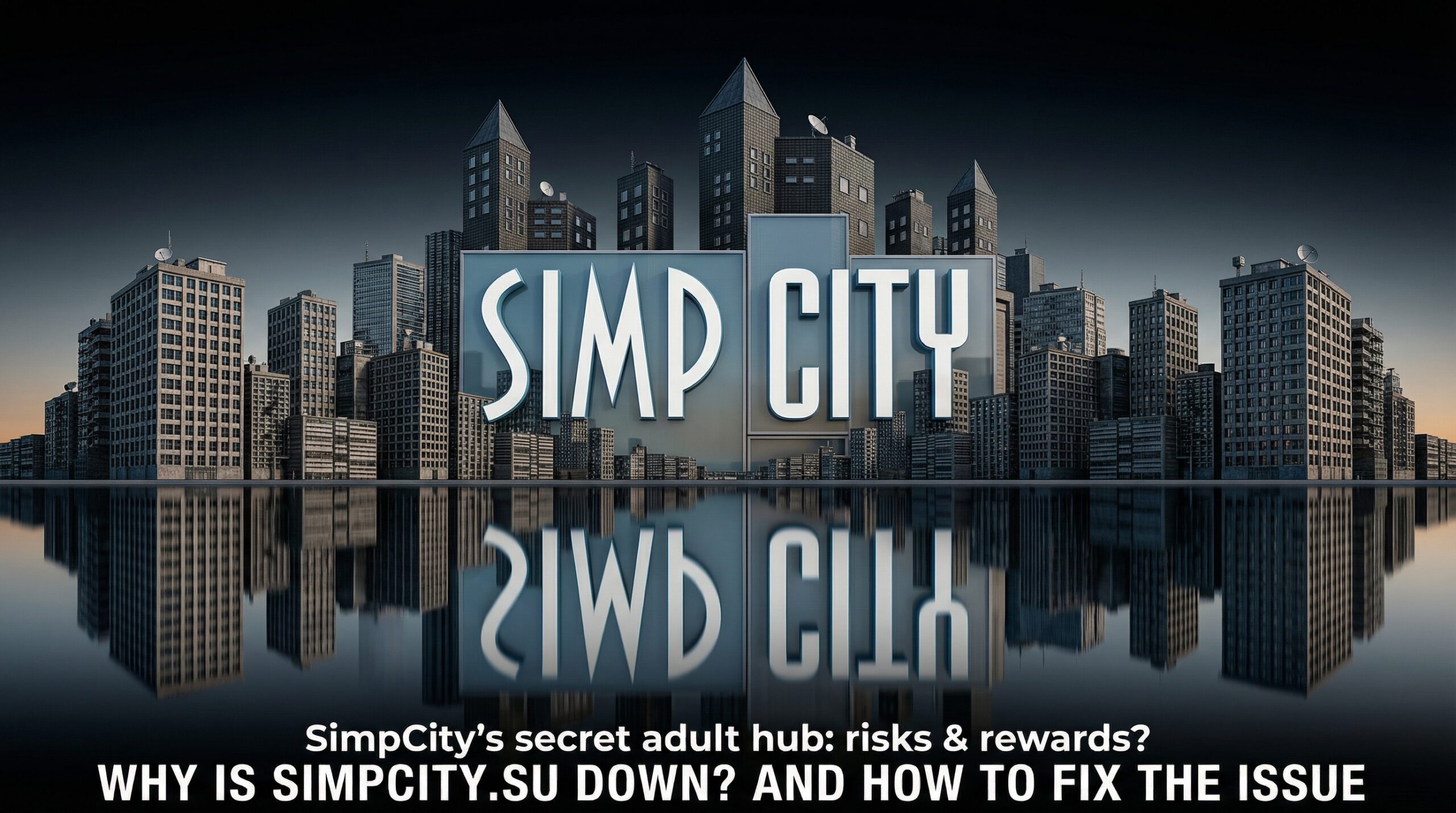
Simpcity is a playful, exaggerated extension of that concept. It acts as an imaginary place or a state of being. When someone says a person has “entered Simpcity,” they mean that person has fully embraced the simp lifestyle. They are no longer just doing one nice thing; they have made a habit of bending over backward for someone who does not reciprocate their feelings.
This concept often describes intense parasocial relationships. A parasocial relationship is a one-sided bond where a fan spends emotional energy, time, and often money on a creator or celebrity who does not know they exist. Simpcity captures the environment where these relationships thrive, especially in digital spaces designed around content creators and their dedicated followers.
Origin of the Term
The word simp has existed for decades, long before the internet took hold of it. Its earliest usage dates back to the early 20th century as an abbreviation for “simpleton.” At that time, it simply meant a foolish or gullible person.
The modern definition began to take shape within hip-hop culture. In the 1980s and 1990s, rappers like Too Short and The Notorious B.I.G. used the word to describe men who let women take advantage of them. In this context, it was the opposite of a “pimp.” A pimp controlled the dynamic, while a simp was controlled by it.
The term stayed relatively quiet for a few decades until it exploded on TikTok and Twitch around 2019 and 2020. Teenage boys started using the term to mock their friends who were acting overly affectionate toward girls. It became a viral challenge and a widespread meme. As the word grew in popularity, internet users started creating variations of it. Simpcity emerged as a creative way to describe the collective culture of simping. It became a meme of its own, symbolizing a fictional city populated entirely by people giving away their time and money for a fraction of digital attention.
How It Is Used on Social Media
Social media is the engine that drives Simpcity. Different platforms use the term in slightly different ways, reflecting the unique culture of each app.
The Twitch and Gaming Community
On Twitch, the concept of Simpcity is incredibly visible. Viewers often donate large amounts of money to female streamers just to have their name read aloud on screen. The chat will often spam the word “simp” when a viewer drops a massive donation or aggressively defends the streamer from criticism. In this space, Simpcity refers to the specific economy of paying for digital acknowledgment.
TikTok Trends and Memes
TikTok users popularized the term through viral challenges. Creators would make videos showing the embarrassing lengths they went to for a crush. These videos usually featured melancholic music and self-deprecating humor. A user might post a video saying, “I drove three hours just to bring her a coffee, and she left me on read. Welcome to Simpcity.” It became a badge of relatable embarrassment.
Twitter and Pop Culture
On platforms like Twitter, the term is used more broadly to describe intense fandom. People will openly admit to “simping” for their favorite actors, musicians, or even fictional characters. In this context, it loses some of its sting. It becomes a humorous exaggeration of being a huge fan. A user might see a photo of a popular actor and tweet, “I am the mayor of Simpcity.” Here, the term is self-imposed and lighthearted.
Positive vs Negative Perspectives
Like most internet slang, the concept of Simpcity carries both positive and negative connotations. The way it is viewed depends heavily on the context and the people involved.
The Negative Side
For many, the term carries a heavy stigma. Critics argue that the culture of simping promotes toxic behaviors. On one hand, it can encourage entitlement. Some people believe that if they spend enough money or act nice enough, they are owed romance or physical affection. When they do not get it, they can become angry and resentful.
Additionally, the concept is often used to police male behavior in a harmful way. Young men might be called a simp simply for treating a woman with basic respect or expressing genuine emotion. This can discourage healthy communication and reinforce the idea that men should always be emotionally distant or dominant. Financial harm is another serious negative aspect. Some individuals spend money they do not have on content creators, ruining their personal finances just to feel noticed.
The Positive Side
On the flip side, some internet communities have reclaimed the word and turned it into something positive. When used playfully, it normalizes showing affection and admiration. Fans use it to hype up the people they admire.
Furthermore, the “simp economy” has allowed thousands of independent creators to build successful careers. By cultivating dedicated fanbases, creators on platforms like Patreon or OnlyFans can bypass traditional media gatekeepers and support themselves financially. For the fans, giving money to a creator they genuinely appreciate can be a healthy form of patronage, provided it is done responsibly and without expectations of a real-life relationship.
Impact on Relationships
The culture surrounding Simpcity has a noticeable impact on how people navigate relationships today. The internet has blurred the lines between public adoration and private romance.
One major impact is the confusion it creates around basic kindness. Because the internet is so quick to label any nice gesture as “simping,” many young people feel anxious about showing affection. A person might hesitate to pay for a date, buy a thoughtful gift, or send a sweet text message out of fear that they will be mocked by their peers. This fear can stunt the development of healthy, communicative relationships.
It also changes how people interact with the concept of rejection. In a healthy dynamic, a person accepts rejection and moves on. In the exaggerated world of Simpcity, a person might continue to pursue someone long after a rejection, believing that extreme dedication will eventually win them over. This narrative is heavily reinforced by romantic comedies, but the internet has given it a new, often toxic, digital framework.
Conversely, it has also opened up conversations about boundaries. As the concept of the parasocial relationship becomes mainstream, more people are learning to identify the difference between real emotional intimacy and digital performance. People are becoming more aware of when a dynamic is one-sided and are speaking openly about the importance of mutual effort in dating.
Common Misunderstandings
Because the term grew so rapidly, it is frequently misused. There are several common misunderstandings about what it actually means to be part of Simpcity.
Being Nice Equals Simping
The most frequent misunderstanding is equating basic human decency with being a simp. Holding a door open for someone, complimenting a coworker, or treating a partner with respect is not simping. Simping requires a specific imbalance of power and effort. It involves lowering one’s own self-worth for someone who is clearly unavailable or uninterested. Basic kindness is just good manners.
It Only Applies to Men
While the term originated to describe men pursuing women, it is no longer gender-exclusive. Anyone can be a simp. Women frequently use the term to describe their obsession with male celebrities or fictional characters. The behavior—doing too much for someone who does not return the favor—is a universal human experience.
It Is Always Serious
Older generations often read internet slang too literally. When a teenager tweets that they are “simping,” adults might worry that the teenager is in an unhealthy, manipulative relationship. Most of the time, the term is used ironically. It is a dramatic way of saying, “I have a crush on this person.” Understanding the heavy layer of irony in Gen Z humor is crucial to understanding the actual meaning behind the words.
Moving Forward in Internet Culture
Words hold power, and the language we use online shapes our offline realities. The rise of Simpcity highlights a generation grappling with changing gender roles, the loneliness of the digital age, and the monetization of human attention.
While the memes are funny and the TikTok videos are entertaining, the core of this cultural trend points to a deep human desire for connection. Whether people are throwing money at a Twitch streamer or playfully exaggerating their love for a celebrity, they are looking for a place to belong.
As internet culture continues to evolve, the word will likely fade and be replaced by new slang. However, the behaviors and social dynamics it describes will remain. By understanding these concepts, we can foster healthier digital spaces, encourage genuine real-world connections, and learn to navigate the complex intersection of money, attention, and modern relationships without losing our sense of self.
