



Humans have always sought out connection. For most of history, geography dictated our social circles. People formed bonds with neighbors, classmates, and coworkers. You knew the people who lived near you, and those physical boundaries largely defined your social life.
The internet completely disrupted this traditional model. The rise of digital platforms allowed people to bypass physical distance and connect based on shared interests, struggles, or goals. A teenager in Tokyo can now share digital art with a retiree in Toronto. Two strangers can bond over a rare hobby or find mutual support during a health crisis.
This shift represents a fundamental change in human interaction. Digital networks offer unprecedented opportunities for learning, networking, and emotional support. They also bring unique challenges regarding privacy and mental health. Understanding how these digital spaces function is essential for navigating modern relationships.
What Are Online Platforms?
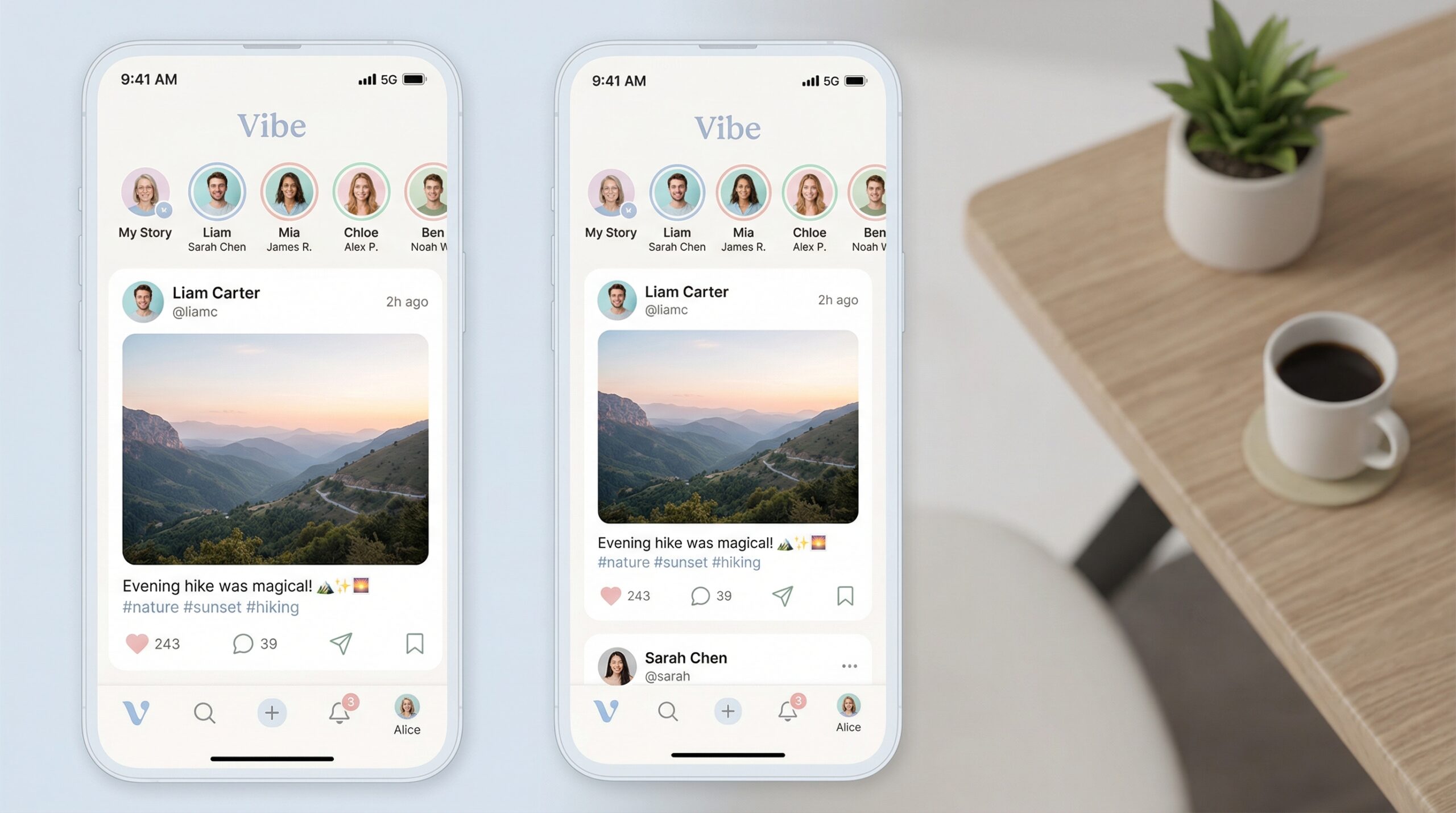
Online platforms are digital spaces designed to facilitate communication, content sharing, and collaboration among users. They serve as virtual meeting grounds where individuals gather to exchange ideas.
These platforms come in many forms. Social media giants like Facebook and X allow users to broadcast updates to broad networks. Specialized forums like Reddit or Quora organize discussions around highly specific topics, from personal finance to vintage car restoration. Meanwhile, messaging apps like Discord and Telegram provide real-time, text-and-voice communication for smaller, tight-knit groups.
At their core, these tools all serve the same purpose. They provide an infrastructure for digital socialization, allowing individuals to build and maintain relationships without ever sharing the same physical room.
The Rapid Growth of Digital Communities
The expansion of digital socializing has been staggering. Two decades ago, internet forums were niche spaces primarily used by tech enthusiasts. Now, participating in an online community is a standard part of daily life for billions of people.
The widespread adoption of smartphones drove much of this growth. When internet access moved from the family computer to the mobile phone, digital communities became accessible 24 hours a day. You no longer had to log on to a desktop computer to check a forum. The community was always in your pocket.
Furthermore, global events like the COVID-19 pandemic accelerated the adoption of virtual socializing. When physical gatherings became impossible, people turned to digital alternatives to fulfill their basic need for human connection. Many of the habits formed during that period have become permanent fixtures of modern life.
Key Benefits of Online Interaction
The ability to connect digitally brings several distinct advantages to our daily lives. These digital networks fill gaps that physical communities sometimes leave open.
Finding Your People
Physical communities can be limiting if your interests or identity differ from the local majority. Digital spaces allow you to find individuals who share your exact passions, no matter how obscure. This creates a powerful sense of belonging that might be missing from your offline life.
Accessible Emotional Support
Digital networks provide a crucial safety net for individuals facing difficult circumstances. People battling rare illnesses, navigating grief, or dealing with unique career challenges can find support groups filled with others who truly understand their experience. This peer-to-peer support is available instantly, at any time of day or night.
Diverse Perspectives
Interacting with people from different countries and cultures expands your worldview. Online platforms expose users to new ideas, different political viewpoints, and varied life experiences. This exposure can foster empathy and reduce prejudice, helping individuals understand global issues through a personal lens.
Navigating Safety and Privacy Concerns
Despite their many benefits, digital networks eccie inherent risks. Understanding these dangers is the first step toward protecting yourself and your personal information.
The most prominent issue is data privacy. Many platforms offer free services by collecting and monetizing user data. Every click, comment, and search query is often tracked to build detailed behavioral profiles. These profiles are then used for targeted advertising or, in worst-case scenarios, sold to third-party data brokers.
Cyberbullying and harassment also pose significant threats. The anonymity provided by the internet sometimes emboldens users to behave in ways they never would offline. This toxicity can severely impact the mental health of targeted individuals. Additionally, the rapid spread of misinformation within echo chambers can manipulate public opinion and create deep social divisions.
Practical Tips for Responsible Use
Protecting your well-being online requires a proactive approach. You can enjoy the benefits of digital socialization while minimizing the associated risks by following a few simple practices.
First, strictly manage your privacy settings. Review what information is publicly visible on your profiles and restrict access to personal details like your home address, phone number, and employer. Be mindful of the photos you share, as backgrounds can often reveal your location.
Second, practice healthy digital boundaries. It is easy to become consumed by online interactions, leading to burnout and anxiety. Set specific times for checking your favorite platforms and turn off non-essential notifications. If a particular group or conversation is causing you stress, give yourself permission to log off or leave the community entirely.
Finally, verify the information you consume. Digital platforms are breeding grounds for rumors and unverified news. Before sharing a sensational post or article, take a moment to cross-reference the claims with reputable sources.
Future Trends in Digital Socializing
The landscape of digital interaction continues to evolve eccie rapidly. Emerging technologies promise to make online communities even more immersive and sophisticated.
Virtual reality (VR) and augmented reality (AR) are poised to bridge the gap between physical and digital presence. Instead of typing text into a chat box, users will soon be able to interact via realistic avatars in three-dimensional virtual spaces. This technology aims to replicate the nuances of face-to-face communication, including body language and spatial awareness.
Artificial intelligence will also play a larger role in shaping these platforms. AI moderators are already being deployed to detect toxic behavior and enforce community guidelines faster than human administrators can. Additionally, AI-driven algorithms will become better at matching users with communities and content that genuinely align with their interests.
Fostering Meaningful Connections Offline and On
Digital platforms have undeniably transformed the fabric of human connection. They allow us to build relationships that transcend geographical borders, offering unprecedented access to support, knowledge, and friendship.
However, these tools are most effective when they complement, eccie rather than replace, physical relationships. The strongest social networks feature a healthy balance of digital interaction and in-person connection. By understanding the dynamics of these online spaces, protecting your privacy, and engaging thoughtfully, you can build a rich, fulfilling social life that spans both the physical and digital worlds.
Take a moment today to review your privacy settings on your favorite platforms. Consider reaching out to a digital friend you haven’t spoken to recently, or explore a new community centered around a hobby you’ve always wanted to try.
